
Introduction
One of the factors that affects personal finance, investment, and borrowing is inflation. The tendency of the price of goods and services to rise over time, thereby depressing the value of money. In the Philippines, inflation impacts on daily living costs, including food, transportation, healthcare, housing, education, and more, making financial planning more complex for both individuals and families. Moderate inflation is a natural feature of a healthy expanding economy, and high levels of inflation have a big effect on savings, investment and borrowing.
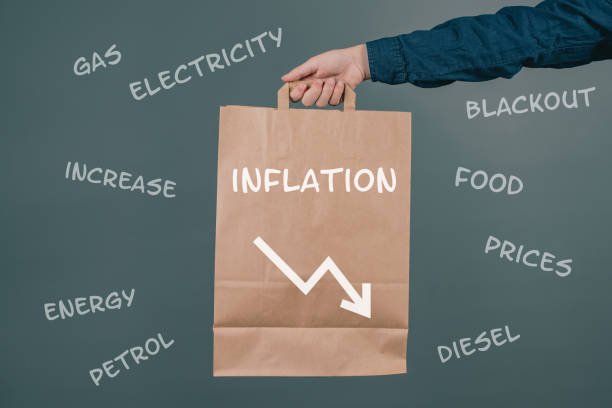
Investors need to tweak their portfolios to safeguard their investment while borrowers need to understand if their borrowing is financially sound. By understanding the impact of inflation on financial decisions, individuals can make informed choices to help protect their purchasing power and contribute to their overall financial objectives. In the current economic landscape, understanding how inflation impacts your investments, whether it involves stocks, real estate, mutual funds, and even when you are considering a personal or home loan, is crucial for making well-informed financial decisions.
What is Inflation and what is Purchasing Power?
Inflation is a rise in the general level of prices of goods and services over time. The value of money decreases when the price goes up, because the money will buy fewer goods and services at a higher price. For instance, if a few years ago they paid for their living expenses that would have been a comfortable amount, but prices have gone up and it’s not the same today.
The factors that can affect inflation in the Philippines are changes in the price of fuel, changes in food supplies, foreign economic policies, exchange rates and domestic demand. In the event of a moderate inflation rate, the economy continues in a steady growth pattern. As inflation increases, however, households feel more pressure to spend more and more of their income to afford basic essentials.
It is important to know about the purchasing power because making financial choices should not only be based on the earnable income but on how one can ensure the purchasing power of money over time through effective saving and investing.
What is the effect of inflation on savings?
Inflation directly affects savings because if savings are held in a low-interest savings account, they could lose some value if the interest earned doesn’t keep up with the rise in prices. While saving is a critical component of financial planning, during inflationary times, traditional savings accounts can make a significant difference in the life’s worth of the future. When planning for future objectives such as retirement, education, or home ownership, people should regularly ask themselves if their savings strategy is working to maintain the real purchasing power of their savings.
Although keeping an emergency fund is important, it’s important to understand that other long-term savings may be beneficial to take advantage of investment options that could outpace the inflation rate. This correlation makes people aware to think about the balance of liquidity, safety and long term growth potential when dealing with their finances.
Purposeful inflation and investment decisions.
When inflation rises, investors tend to re-evaluate their investment options in different ways. In times of inflationary growth investors are usually looking for some asset that will keep or grow in value. For some investments, especially those that generate income, like stocks, real estate, diversified mutual funds, exchange-traded funds, and some other types of investments, the long-term inflation protection offered may be superior to having large amounts of cash.
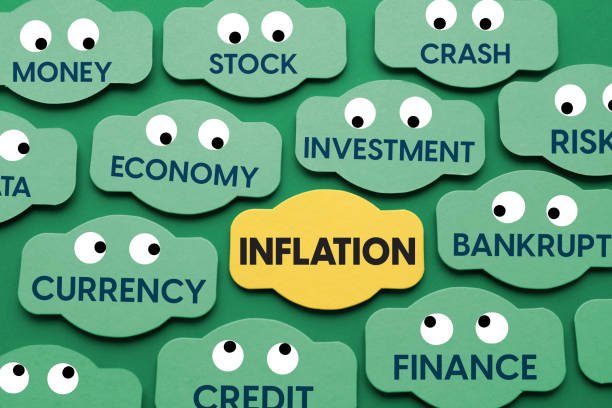
During inflationary periods, companies with high pricing elasticity, steady earnings and demand for their products will generally do better when they are able to raise prices without seriously affecting sales. Diversification also matters more as it helps to lower the risk of the entire portfolio when investments are held in a few asset classes. Investors should periodically assess their investment strategies to make sure they stay in line with evolving economic conditions, financial objectives and risk tolerance.
What you need to know about how inflation affects loan rates
Borrowing costs are also affected by inflation, though it might be because central banks raise interest rates to regulate inflation. Generally, the higher the interest rate, the more expensive the loan will be, both in terms of the monthly repayments and how much interest will be paid over the life of the loan.
Before buying into one of the personal loans, house loan, car loan or business loans, borrowers should take time to compare interest rates in the Philippines. The advantage of a fixed rate loan is that during an interest increase period, the monthly payments remain fixed, whereas the disadvantage of a variable rate loan is that if interest rates get higher and higher, then the loan payments get higher and higher. People can understand the connection between inflation and interest rates to select financing methods that will be affordable in an evolving economy.
To borrow or not to borrow, that is the question.
Borrowing during an inflationary period is a wise choice if the loan is to be used for an income-producing purpose, if the interest rate on the loan is lower than the rate of inflation, and if personal financial conditions are favorable. If the loan payments are affordable, you could get a good long-term return on investment by borrowing for investment in education, home ownership, expanding a business, etc.
But when the inflation rate raises the cost of living and lowers the amount of disposable income, borrowing to finance unnecessary consumer spending becomes riskier. When considering a loan, as a borrower, always consider your monthly budget, emergency savings, job security, and your ability to repay them in the future. Responsible borrowing can ease financial strain and helps maintain financial wellness.
Making Household Finance Decisions in an Inflationary Environment
Inflation does not just impact investments and borrowing; it also impacts your personal household budget. Families may need to make some changes in their spending habits, identify unnecessary spending, shop around more for goods, and save more if possible. By developing a realistic budget, individuals are able to keep track of costs that are increasing and identify ways that they can be more financially efficient.
Having an emergency fund can help cushion the blow of unanticipated costs that may increase in times of inflation. More financial education and prudent spending habits enhance financial security and resilience and help people achieve financial objectives amid economic fluctuations.
Conclusion
Inflation has a profound impact on investment and borrowing decisions, as it impacts purchasing power, savings, interest rates, and financial planning. In the Philippines, it is essential for people to understand the effects of inflation on their personal finances, so they can make informed choices about managing their finances, planning investments, and using credit responsibly.
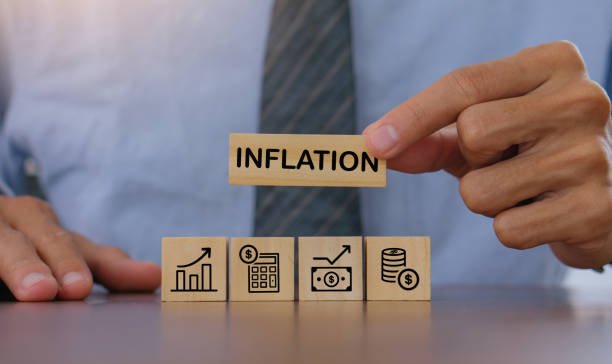
Inflation poses financial problems, but it also highlights the value of planning ahead, diversifying your investments, taking on debt judiciously, and sticking to your budget. In times of economic fluctuations like these, individuals can safeguard their assets, strengthen their financial position, and pursue their long-term financial objectives without being significantly affected by rising prices by regularly evaluating and adjusting their financial plans.