
Introduction
The presence of small businesses is essential to Mexico’s economy and has significant impacts on jobs, innovation, and local economic development. Small and medium-sized enterprises (SMEs) are key to the economy, from family-run shops and restaurants to technology startups and manufacturing companies.
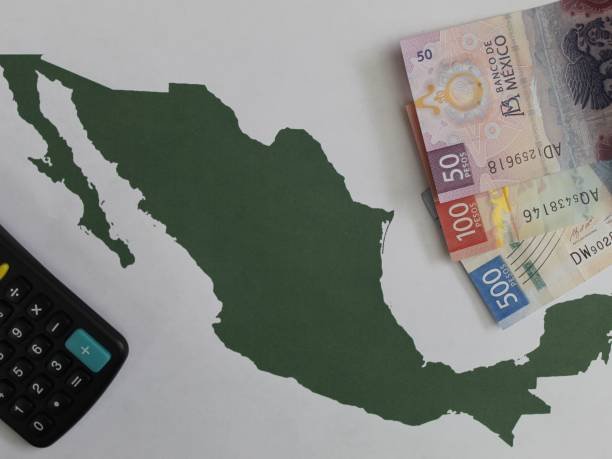
However, many business owners find it challenging to access the capital that is necessary for them to expand their business, acquire equipment, pay off their bills, or develop new products. It can be helpful for businesses to understand the financing options available and select the most suitable one to help ensure that they can expand their companies without compromising on financial stability.
The importance of financing for small businesses.
All Small Businesses go through times when they need extra cash. The objectives may be to expand into a new market, add more staff, buy new stock or equipment or invest in new technology, but financing can make it possible for businesses to take advantage of growth opportunities without having to wait several years for them to build up enough savings.
Good financing also enables companies to cope with the fluctuations in demand during different seasons of the year, deal with unforeseen costs, and stay competitive in a changing market.
Business owners should not see financing as something they must do, but rather as an effective tool that can help them achieve long-term success if they use it responsibly.
Learn about the financial requirements of your business.
Small Businesses owners should thoroughly consider their need for financing, and determine the amount of funds needed, before seeking any form of funding. Overspending on borrowing raises the cost of repayments and underspending could make the financial situation worse.
If financing is needed for operating costs, or for long-term investments, then the appropriate financing vehicle should be chosen. Having a business plan and realistic financial predictions also makes it more likely that you will get the approval of the lenders.
Keep good financial records.
Good accounting is one of the most critical aspects lenders will look at when they’re considering your loan application. Companies that have the financial systems organized are considered as responsible companies, and this is why they give the lenders confidence that they can return the borrowed amount.
Keeping income statements, balance sheets, cash flow statements, tax records and bank statements current facilitates the application process. Properly planned financial records also enable business owners to have a clearer picture of the financial condition of their business and to make informed business decisions.
Develop a Positive Business Credit Score
A good credit score can make it more likely that you will be able to receive better loan terms. Lenders will usually check the business’s own credit history as well as the business owner’s personal credit score if relevant, before granting financing.
Jettisoning creditors and suppliers on time will build credibility and make it easier to borrow in the future. Good credit management could also lead to reduced interest rates and flexible repayment options.
Discover Traditional Bank Financing.
One of the most typical sources of financing for small enterprises in Mexico is still banking. A business loan from the bank can be used to expand the business, buy equipment, to fund working capital requirements and for other business operations.

While banks may offer competitive interest rates, they might also require a lot of financial information, a history of your business, and proof of your ability to pay back the loan. In general, companies with good cash flow and solid financial statements are more likely to get funding from the bank.
Explore other sources of funding.
In recent years, non-bank financing companies have increased financing alternatives for small businesses all over Mexico. These online lenders and financial technology firms can generally offer quicker application processes and more flexible qualification criteria than traditional banks.
It’s possible that Alternative lenders can be especially helpful for newer Small Businesses or entrepreneurs who have a hard time meeting with the conditions of conventional lending. But, companies need to compare the interest rates, terms of loan payment, and charges before accepting any kind of financing offer.
Enhance cash flow management.
A Small Businesses that is successful is one that has a healthy cash flow. Businesses’ cash flow is frequently reviewed to assess their eligibility for a loan.
The Small Businesses owner should keep track of income and expenses frequently, cut down on unnecessary expenses, control inventory and ensure that customers pay their bills on time. Good cash flow helps in running the business and also contributes to its financing.
Develop a comprehensive business plan.
A comprehensive business plan is a sign of professionalism, and can give lenders insight into the goals of the business. A good business plan describes what the business is, identifies the target audience, details the competitive advantage, outlines the financial plan and details the use of the financing.
Lenders will be more likely to approve a financing when they are able to see how borrowed money will support sustainable business growth and future business profitability. When considering financing options, be sure to compare them carefully.
Not all financing options are right for all companies. Different lenders may have different interest rates, repayment terms, fees, collateral requirements and approval criteria, etc.
It is important that business owners shop around for financing offers before deciding. It’s important to consider the total cost when financing, as the lowest monthly payment option can lead to higher borrowing costs. When choosing a financing option, it is important to determine the total cost of financing and see to it that repayment is affordable in the business budget.
Don’t over-extend yourself.
One of the greatest opportunities of access to financing is that the funding can push a business to its limits if too much is borrowed. Loans should be affordable even if sales slow down or during an uncertain economy.
Responsible borrowing involves taking into account future expectations of cash flows, maintaining sufficient cash buffers, and avoiding debt that the business cannot afford. Borrowing for sustainability helps promote growth without undue financial instability.
Invest Borrowed Funds Wisely, is a lesson that is essential for everyone.
After securing the funds, it is imperative to make the best use of the money. Capital funds should be invested in activities that can increase productivity, revenue or long-term competitiveness.
It is better to spend money on equipment, technology, employee training, inventory management, marketing, or even business expansion rather than it is better to loan a little bit of money for unnecessary spending that will not have the same longterm value. The responsible use of financing increases the probabilities that the investment will yield returns more than the cost of the financing.
Monitor Business Performance
The funding only constitutes the first step. The key to ensuring borrowed funds are working the way they need to be is to constantly track the financial performance of the Small Businesses.
Conclusion
Planning and responsible financial management of small businesses in Mexico can make access to financing a major enabler of growth for these enterprises. With a clear understanding of their capital requirements, proper financial documentation, good credit and improved cash flow and comparative analysis of financing options, business owners can obtain the necessary funds for their growth and long-term success.
Pingback: How to Create Top Multiple Income Streams Through Investments - augpost